 +1 302 486 0000
 +61 2 5129 0955
 +44 7828 573520
 +44 7828 573520

The Cost of the Empty Chair: Solving the No-Show Problem in Spanish Travel
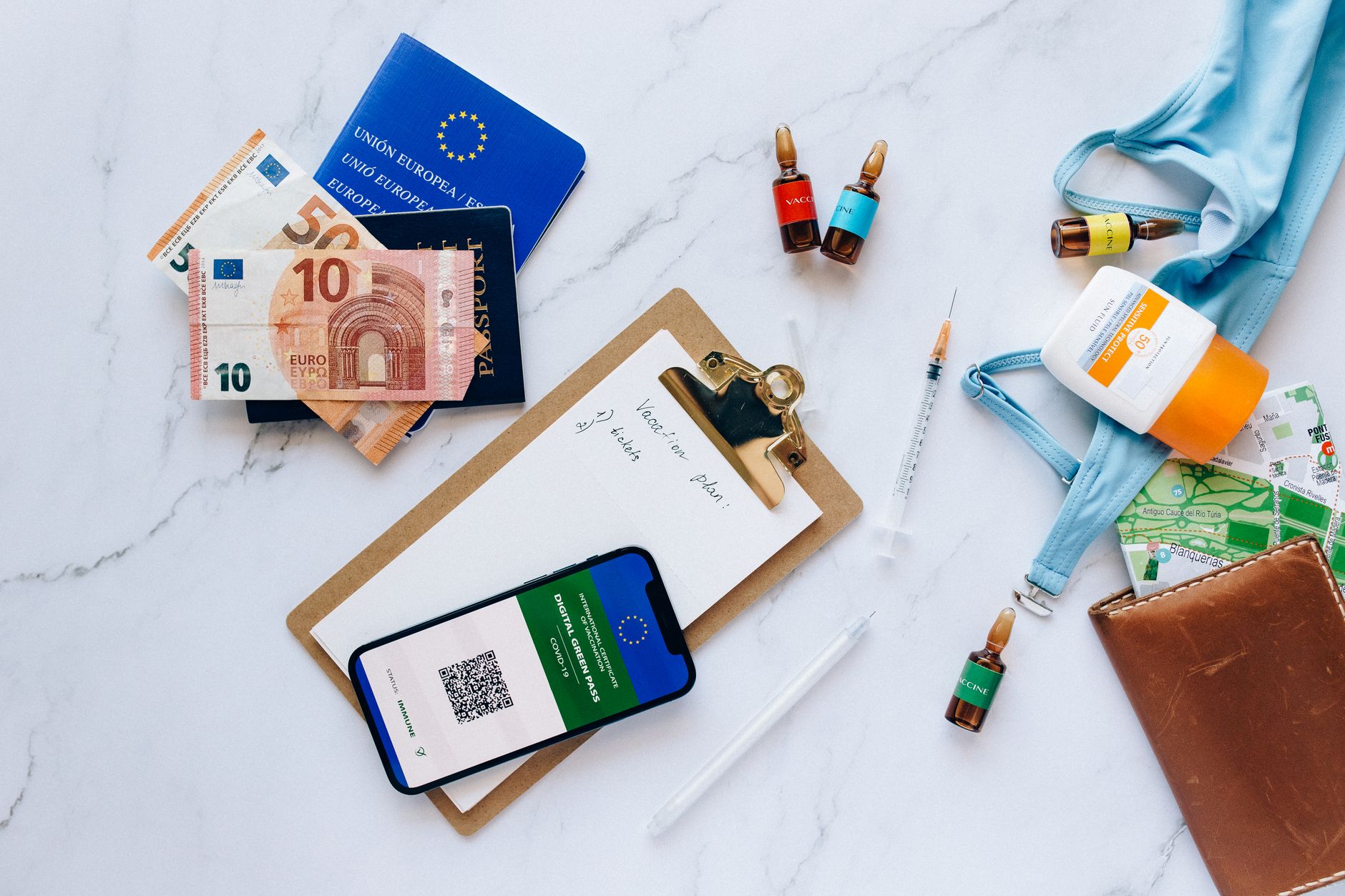
A guided walking tour through the Alhambra remains empty. A boutique hotel in Ibiza has a cancellation that arrives ten minutes before check-in. A car rental agency in Madrid has a vehicle sitting idle because the client simply didn't show up.
In Spain, these aren't just minor inconveniences; they are direct hits to the bottom line. Travel services are often time-bound and perishable. Once a sunset boat tour departs from the Costa del Sol, that specific slot is gone. You cannot re-sell a missed hour.
For operations managers and revenue leaders, the goal is to maximize occupancy and minimize no-shows. While many turn to email, travelers—especially those moving between time zones or navigating new cities—often miss inbox notifications.
SMS offers a different level of immediacy. It is a direct line to the customer's pocket that does not necessarily require a data connection or a specific app to be open. When integrated into your CRM, SMS transforms from a simple notification tool into a proactive revenue protection engine.
Why SMS is a Reliable Choice for Spanish Travel Reminders
When managing international and domestic travelers in Spain, you face a fragmented communication landscape. Some clients use WhatsApp, others rely on email, and some depend on SMS for local connectivity.
SMS stands out because of its widespread compatibility. It is a highly universal channel that works on nearly every mobile device, regardless of whether the traveler has purchased a local SIM card or is navigating roaming data issues.
For appointment reminders—whether for a spa treatment at a resort, a scheduled transfer, or a museum entry time—SMS provides three critical advantages:
- High Visibility: SMS messages often bypass the "Promotions" tab clutter that affects email.
- Low Friction: A traveler sees the reminder on their lock screen without needing to log into a portal.
- Immediate Action: Including a simple link or instruction moves the customer from awareness to confirmation in seconds.
While WhatsApp Business API is a powerful tool for conversational commerce, SMS remains a backbone of transactional reliability. It is a highly reliable channel that ensures critical operational messages land.
The Anatomy of an Automated Reminder Workflow
A high-performing appointment reminder program creates a closed-loop system between your customer data and your communication channels.
When you connect a messaging provider to a CRM like Salesforce, HubSpot, or Zoho, you move away from manual outreach and toward automated lifecycle management. Here is how a professional-grade workflow functions:
The Trigger Event
The process begins in your CRM. A booking is confirmed, a deposit is paid, or a date is set in a calendar module. This action creates a trigger that recognizes a specific event has occurred for a specific contact.
The Logic Layer
Your CRM or automation platform evaluates the timing. The logic layer calculates the optimal send window—for example, approximately 24 hours before the scheduled arrival—to ensure the reminder is timely but not intrusive.
The Messaging Handshake
The CRM sends the essential variables—the customer's name, the service type, the time, and the location—to the messaging platform. The platform then translates this data into a human-readable SMS.
The Delivery and Feedback Loop
The SMS is delivered to the handset. In an advanced setup, the message includes a way for the customer to interact, such as a link to "Confirm" or "Reschedule." This interaction is sent back to the CRM, updating the record automatically. If a customer clicks "Reschedule," the status in your CRM changes, alerting your operations team to the change immediately.
Navigating Compliance: LOPDGDD and SMS in Spain
Operating in Spain means adhering to strict data protection standards. The Ley Orgánica de Protección de Datos y Garantía de los Derechos Digitales (LOPDGDD) complements the EU's GDPR, adding specific nuances to how personal data is handled and how marketing is conducted.
For travel operators, the distinction between a "transactional" message and a "marketing" message is vital.
Transactional Reminders
An appointment reminder (e.g., "Your tour starts at 10:00 AM tomorrow") is generally considered a transactional message. It is necessary for the fulfillment of the service the customer has already purchased. These fall under "legitimate interest" or "contractual necessity" and are essential for operational efficiency.
Marketing Communications
If an SMS says, "Your tour starts at 10:00 AM. Would you like to book our premium lunch package for an extra €20?" it is classified as marketing.
Under LOPDGDD, marketing messages require explicit, opt-in consent. You cannot bundle marketing consent with your booking terms and conditions; they must be separate, clear, and freely given.
Best Practices for Spanish Compliance:
- Maintain a Clear Opt-Out: Every marketing-related SMS must provide a simple way to unsubscribe, such as "Reply STOP" or "Baja."
- Data Minimization: Only send the data necessary for the reminder. Avoid including full addresses or sensitive payment details in an SMS.
- Document Consent: Ensure your CRM captures exactly when and how a customer opted into receiving communications.
- Right to Erasure: If a customer requests removal from your database, your CRM and messaging platform must work in tandem to ensure they are purged from all active lists.
Measuring Success: ROI and Cost Considerations
When justifying the budget for a messaging program, look at the "cost of a no-show" rather than the "cost per SMS."
If your average tour price is €60 and you have a 15% no-show rate, you are losing significant revenue every week. If an automated SMS program costs a fraction of that lost revenue and reduces no-shows by even 5%, the ROI can be significant.
The ROI Formula for Travel Operators
To calculate your potential impact, use this logic: (Number of monthly bookings) x (Current no-show rate) x (Average booking value) = Monthly Lost Revenue.
Compare this to the cost of your messaging platform and per-message fees. In many high-touch travel scenarios, the cost of the technology is often outweighed by the revenue it protects.
SMS vs. Other Channels in the Travel Sector
| Feature | SMS | ||
|---|---|---|---|
| Open Rate | High | Moderate | High |
| Urgency | High | Low | High |
| Data Required | None | Required | Required |
| Complexity | Low | Low | High |
| Best Use Case | Reminders, Alerts, OTPs | Itineraries, Receipts | Customer Support, Chat |
While email is excellent for sending long-form itineraries and post-trip surveys, it may lack the urgency required for a time-sensitive reminder. WhatsApp is excellent for engagement, but SMS is a highly reliable way to ensure a message is seen without requiring the user to be "online."
Field-Tested Best Practices for Travel Reminders
Respect the Local Clock
Spain has a specific rhythm. Sending a reminder at 7:00 AM or 11:00 PM can lead to customers blocking your number. Align your automated triggers with local time zones.
The "One-Click" Rule
If you include a link, it should lead to a mobile-optimized page. If you want a customer to confirm, the button should be large and obvious.
Language Sensitivity
In the Spanish travel market, you are often dealing with both locals and international tourists.
- For locals, use Spanish.
- For international travelers, use the language of the booking.
A sophisticated CRM setup can use the "Language" field in your contact record to automatically select the correct template.
Provide Value, Not Just Noise
A reminder can be a value-add. Instead of: "Reminder: Your tour is at 10 AM." Try: "Reminder: Your tour starts at 10 AM. Please arrive 15 mins early. View the meeting point map here: [Link]"
How CRM Messaging Bridges the Gap
The biggest hurdle in messaging is the "silo" problem, where marketing, sales, and operations use different tools. CRM Messaging sits in the middle of this ecosystem to:
- Centralize Communication: All SMS history is logged directly against the customer's profile in your CRM.
- Automate at Scale: You can build logic that triggers messages based on any field in your CRM.
- Maintain Compliance: Because messaging is tied to your CRM, your opt-in/opt-out status is synchronized.
FAQ
How do I prevent my messages from being flagged as spam by Spanish carriers?
Carriers monitor for high-volume, low-engagement messaging. By using a dedicated provider and ensuring your messages are highly relevant transactional reminders, you help maintain a high sender reputation. Always providing a clear way to opt-out also helps.
Can the system handle different languages for international guests?
Yes. If your CRM contains a language preference field, you can set up workflows to pull different message templates automatically based on that field.
How are customer replies handled within my existing workflow?
Depending on your setup, replies can be logged back into your CRM as a note or routed to a live agent, ensuring your team can respond to cancellations or questions immediately.
Will this work with my current booking software?
Yes, provided your booking software can connect to your CRM or via standard automation tools. The goal is to ensure your existing data drives the messaging.
Is SMS more effective than WhatsApp for reaching travelers?
While WhatsApp is excellent for engagement, SMS is a highly reliable option for critical alerts because it does not require a data connection or an active internet connection to be received.
How do I calculate the return on investment for an SMS program?
Compare the cost of the messaging service against the revenue lost from your current no-show rate. Even a small reduction in no-shows typically covers the cost of the platform.
Conclusion
Automating your appointment reminders is one of the most effective ways to protect your revenue and improve the guest experience in the Spanish travel market. By moving from manual outreach to a CRM-driven SMS strategy, you ensure that your messages are seen, your operations are streamlined, and your no-show rates decline.
Start protecting your revenue today with CRM Messaging
Local telecom and privacy rules in Spain can affect how you message customers. For compliance and setup guidance tailored to your use case, reach out to a CRM Messaging expert.
Related Resources
Start messaging with CRM Messaging
SMS, WhatsApp, Email, and Voice — integrated with your CRM.
Start free trial